Understand
what you smell.
No white coat required.
A few beautiful ways into the science and art of fragrance.
Warm. Sensual. Magnetic.
For the moments that deserve to linger.
Amber · Cardamom · Sandalwood
Enter Velvet →Our seven worlds are a guide, not a scientific taxonomy. Compositions overlap; no person belongs in a box.
A note is just
the beginning.
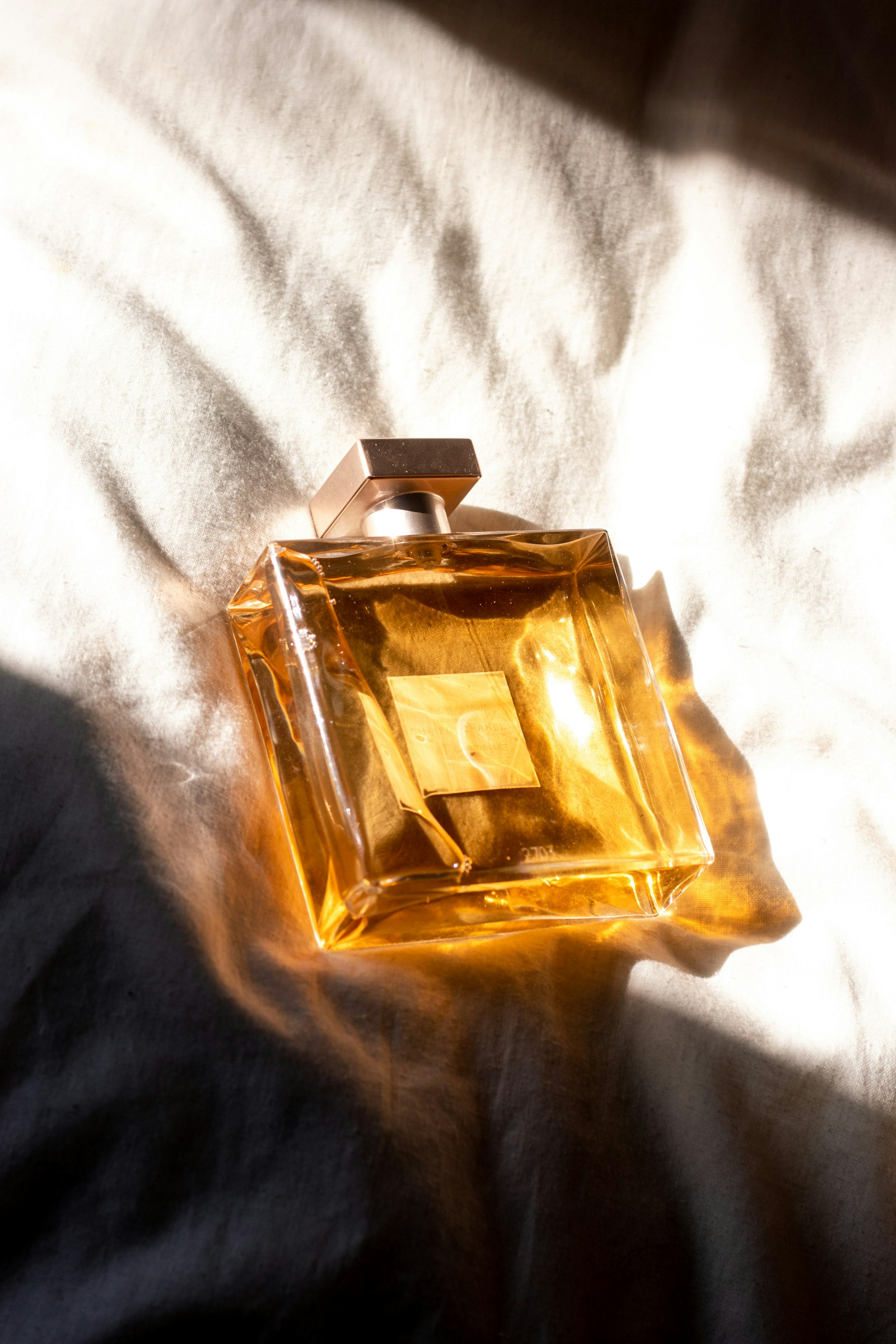 AN OLFACTORY STUDY / GOURMAND
Vanilla
Warm, soft, balsamic, sometimes woody or smoky—not only sweet.
How it is made
Vanilla extracts and absolutes can be produced from cured pods. Vanillin and related aroma materials can also create vanilla effects.
What it contributes
Adds warmth and rounded texture to floral, amber, woody and gourmand compositions.
A little nuance
Vanilla does not require a sugary perfume. Dry woods, bitter cacao or resins can shift its balance.
In conversation with
Benzoin, cacao, sandalwood
Origin & transparency
Vanilla orchids are cultivated in several tropical regions. Botanical context is not evidence of our ingredient sourcing.
Concentration.
Not complication.
A different depth of expression.
Often described around 10–20%. Not automatically stronger in projection than every eau de toilette. Compare the complete formula on skin.
A little less myth.
A little more understanding.
“Natural always means better.”+
Both natural and synthetic materials have creative strengths, limitations and safety considerations. Origin alone is not a quality, safety or sustainability rating.
“More expensive means higher quality.”+
Materials, concentration, packaging, distribution, marketing and positioning all affect price. Your experience is not determined by the price tag.
“Perfume lasts longer on everyone with moisturised skin.”+
Hydration and surface products can affect evaporation and perception, but results vary by formula and person. Fragrance-free moisturiser may help some wearers; it is not a guarantee.
“If I cannot smell it, it has disappeared.”+
Your perception can adapt to a persistent odour. Other people may still perceive it. Take a break before deciding to reapply.
A composition
takes its time.
The first impression often includes brighter, more volatile materials. Citrus or green notes may introduce the direction.
These are overlapping impressions, not rigid time slots.
Same fragrance.
Different weather.
Higher temperatures can increase evaporation and the immediate impression of a fragrance. You may prefer a lighter application, especially in close shared spaces. Humidity effects are more complex and vary by formula.
A note on layering
Start with small amounts of two fragrances you already know. Combining them changes the balance; it does not guarantee improved performance. Follow product instructions and stop if irritation occurs.